How to Earn Maximum Incentives as a Sales Executive — 7 Strategies
Fixed salary is just the floor. These 7 strategies show exactly how top sales executives in Patna consistently earn 2–4x more through incentives — starting from day one.
CS Groups Team
CS Groups
Key takeaways
Top-earning sales executives do not rely on natural talent — they master 7 habits: knowing their incentive slab, systematic follow-up, daily pipeline tracking, asking for referrals, deep product knowledge, weekly micro-targets, and timing calls strategically. The gap between a ₹10,000 earner and a ₹40,000 earner is almost always in these habits, not raw ability.
Sales executive incentives are where real earnings happen — not the fixed salary. Every sales executive in Patna draws the same fixed base. What separates the ones earning ₹30,000–₹50,000+ per month from the ones stuck at the base figure is one thing: how deliberately they chase incentives. This is not luck. It is habit, strategy, and discipline — and every point below can be put into practice starting tomorrow.
Understand Your Sales Executive Incentives Slab Before You Make a Single Call
Most sales executives never read their incentive structure properly. They know the rough idea — "I get something per conversion" — but not the exact slabs, thresholds, or bonuses for exceeding targets. This is a mistake.
Sit with your manager in your first week and ask:
- What is the incentive per conversion, and does it increase above a certain number?
- Is there a monthly performance bonus for hitting 100% or 150% of target?
- Are there quarterly or annual bonuses?
- Does the incentive change based on deal size or product type?
When you know the exact slabs, you can reverse-engineer your daily activity. If closing 15 deals/month puts you in a higher slab, you know exactly what you are working toward — not just "more calls."
Follow Up Like It Is Your Only Job
Research consistently shows that most sales deals close between the 3rd and 7th follow-up. Yet most sales executives stop at one or two attempts and move on. This is where incentives are left on the table every single month.
Build a simple follow-up system:
- Day 1: First call or meeting
- Day 3: WhatsApp follow-up with a value message — a benefit, a testimonial, or a answer to their objection
- Day 7: Second call — ask directly if they are ready to move forward
- Day 14: Final follow-up with a mild urgency trigger
A lead who did not convert in your first call is not a lost lead. It is a delayed conversion. The sales executive who follows up wins it; the one who does not, does not.
Track Your Pipeline Every Morning — Not Once a Week
Top-earning sales executives treat their pipeline like a scoreboard. Every morning, before making the first call, they check:
- How many active leads are in each stage?
- Which leads are due for follow-up today?
- How many conversions have happened this month vs the target?
- How many conversions do I need in the remaining days to hit my incentive threshold?
This daily clarity drives urgency. When you know you need 4 more conversions by the 28th to hit the higher incentive slab, you work differently than if you are just "doing your daily calls."
Ask Every Converted Client for a Referral
A freshly converted client is in the best possible mood to refer you to someone they know. Most sales executives never ask. The ones who do add 1–2 warm leads per month without any cold outreach effort.
A simple script: "Thank you for coming on board. Do you know anyone — a business owner or colleague — who might also benefit from what we offer? I would love to connect with them."
Warm referrals convert at 3–5x the rate of cold leads. Every referral you close is an incentive you earned with zero extra prospecting time.
Know the Product Better Than the Customer Expects
Objection handling is a skills game, and you can only handle objections confidently if you know the product deeply. The sales executives who earn the most incentives are rarely the most talkative — they are the most prepared.
For every objection you regularly hear — price, timing, competition, trust — write down a specific, factual answer. Then practise until it sounds natural, not rehearsed. Confidence in product knowledge closes deals that a rehearsed pitch never will.
Set Weekly Micro-Targets, Not Just Monthly Goals
A monthly target of 20 conversions feels distant on the 1st. It creates panic on the 25th. Top earners break it down into weekly targets — 5 conversions per week — and then into daily activity: how many calls, follow-ups, and meetings they need each day to hit that weekly number.
When a week ends short, they adjust the next week immediately. They do not wait for the monthly review to course-correct.
Time Your Pitches for When Decisions Get Made
Not all hours are equal in sales. Based on experience in the Patna market:
- Best time for outbound calls: 10 AM–12 PM and 4 PM–6 PM (decision-makers are available and not yet in end-of-day mode)
- Worst time: Right after lunch (1–2 PM) — people are low energy and likely to defer
- Best day for follow-up calls: Tuesday, Wednesday, Thursday — avoid Monday mornings and Friday afternoons
Shifting your high-effort calls to high-probability windows can improve your conversion rate without adding a single extra call to your day.
What Separates the ₹8,000 Earner from the ₹40,000 Earner
It is rarely intelligence or natural talent. The sales executives who consistently earn maximum incentives share three habits:
- They do not wait to feel motivated. They make the first call before motivation arrives, and motivation follows the action.
- They review their own performance weekly, not just when their manager does. They know their own numbers better than anyone.
- They treat rejection as data, not as failure. Every "no" tells them something — the objection, the timing, the fit. They adjust the next pitch based on it.
The gap between a ₹10,000/month sales executive and a ₹40,000/month one is almost always in these habits — not in natural selling ability.
Ready to Put This Into Practice?
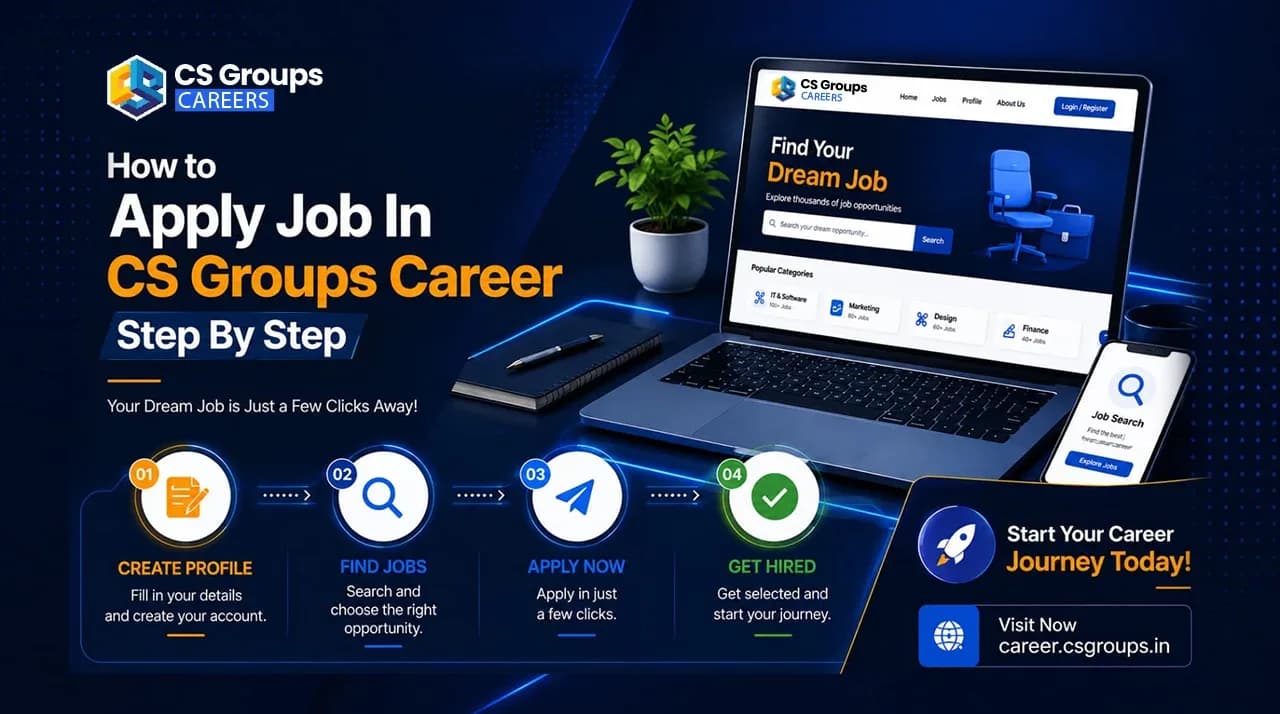
CS Groups is hiring Sales Executives at Bailey Road, Patna — with a fixed salary plus performance incentives on every client conversion. If you have the drive to apply these strategies, this is the role to start with. Apply at career.csgroups.in in under 2 minutes. No fees, direct hiring.
Frequently asked questions
How can a sales executive earn more incentives every month?
Understand your incentive slabs exactly, follow up every lead 3–5 times, track your pipeline daily, ask converted clients for referrals, and set weekly micro-targets rather than waiting for the month-end push.
How many follow-ups should a sales executive make before giving up?
Research shows most deals close between the 3rd and 7th follow-up. Most sales executives stop at 1–2. A structured follow-up on Day 1, Day 3, Day 7, and Day 14 captures deals that would otherwise be abandoned.
What is the best time to call leads as a sales executive in Patna?
10 AM–12 PM and 4 PM–6 PM are the highest-conversion windows. Avoid right after lunch (1–2 PM). Tuesday through Thursday are better than Monday mornings or Friday afternoons for decision-making conversations.
How do sales executives get warm referrals?
Ask every freshly converted client — immediately after they sign up. A simple ask: 'Do you know a business owner or colleague who might benefit from what we offer?' Warm referrals convert 3–5x better than cold leads.
What separates top-earning sales executives from average ones?
Three habits: acting before motivation arrives rather than waiting to feel ready, reviewing their own performance weekly, and treating every rejection as feedback — not failure. Natural talent matters far less than these consistent behaviours.
CS Groups Team
CS Groups
CS Groups hires across marketing, technology, design and AI. This blog is written by the team you would be joining — how we hire, what we look for, and what the work is actually like.
Looking for your next role?
See every open job and internship — and how well your profile matches each one.
View openingsComments0
Loading comments…